Mineral Exploration
Mineral Exploration
Eagle Plains Resources (TSX-V: EPL | OTCQB: EGPLF) is a Canadian mineral exploration company, but what does that actually mean, and why does it matter to an investor? This page walks through what mineral exploration is, how the industry actually works, and how Eagle Plains has practiced it across Western Canada for more than three decades.

What Is Mineral Exploration?
Mineral exploration is the initial stage in the mining lifecycle: think of it as the "R" in the mining sector's version of research and development. Before any metal can be mined and sold, someone first has to find a mineral deposit, and then figure out whether it is economically viable to develop into a mine. This “finding” process is at the core of mineral exploration.
It's a discipline that sits at the intersection of science and business. On the technical side, geologists interpret rock, soil, and geophysical data to zero in on places where valuable minerals are likely to be concentrated. On the business side, a company has to decide where to spend limited exploration dollars, when to bring in a partner to share the cost and risk, and when to cut losses and move on to the next opportunity.
It's also worth being clear about what exploration companies don't do: Eagle Plains does not operate producing mines. An exploration company's job is to find and de-risk a property to the point where it becomes attractive to a mine developer, a larger mining company, or a joint-venture partner able to fund the next stage of work.
This handoff is the basis of EPL's Project Generator model:
The Stages of Exploration
Exploration properties are generally described as falling into a few broad stages:
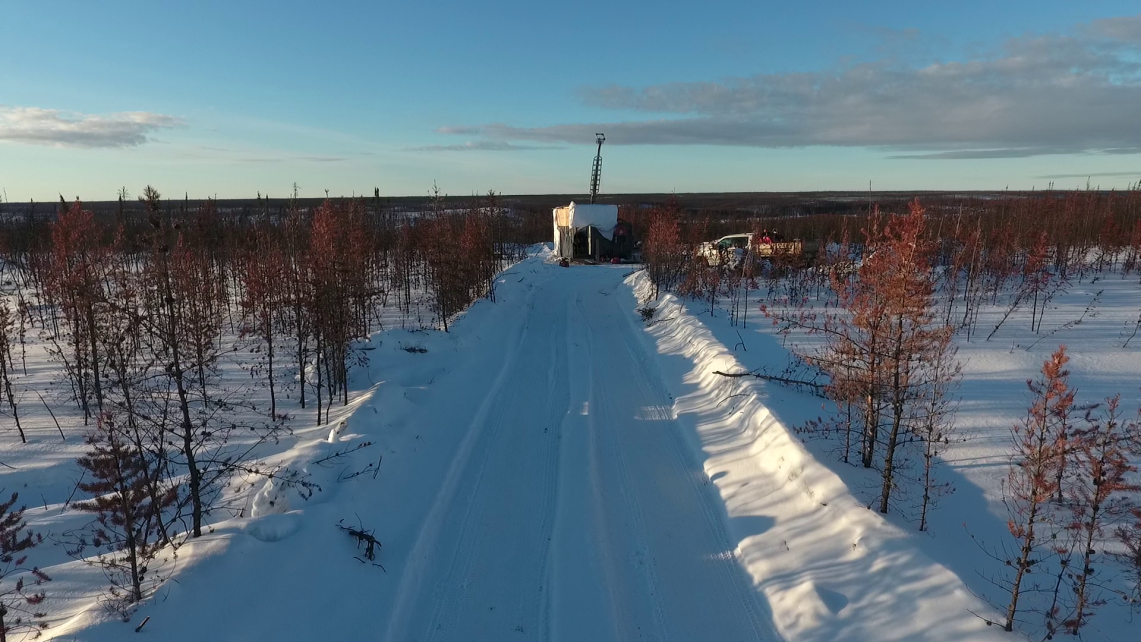
- Grass-roots (or greenfields) properties are the earliest stage, ground where no significant deposit has yet been confirmed. Work here is inexpensive relative to later stages and focuses on generating a case for further investment: geological mapping, soil and rock sampling, and airborne or ground geophysics.
- Advanced properties are those where drilling has already confirmed a real, potentially economic mineral deposit. Work shifts toward defining the size and grade of the deposit.
- Pre-feasibility properties have a well-enough-defined deposit that work turns to tightening up that definition ahead of a formal development decision.
At each stage, risk drops, and cost rises, often sharply. This is the real answer to a question a lot of investors ask: why do so many grass-roots exploration projects stall before they ever get drilled? It isn't usually because the underlying geological idea was wrong. It's because drilling is by far the most expensive step in exploration, so thorough operators wait until multiple independent lines of evidence, spanning geology, soil or rock geochemistry, and geophysics, line up on the same target before committing to drilling. A property that shows only one weak signal, rather than several reinforcing ones, is often better left on the shelf, or handed to another company willing to take on that specific project’s risk.
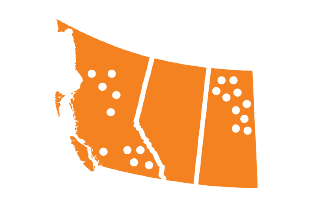
This is precisely why Eagle Plains holds a large, diversified portfolio (50+ projects across British Columbia, Saskatchewan, and the Yukon) rather than concentrating all its capital in one place. Spreading exploration dollars across many properties, stages, and commodities means a handful of quieter, lower-priority projects can be shelved until conditions or understanding improves, while the strongest targets get the immediate attention and funding.
How Eagle Plains Explores
A range of techniques are typically layered together on any given project:
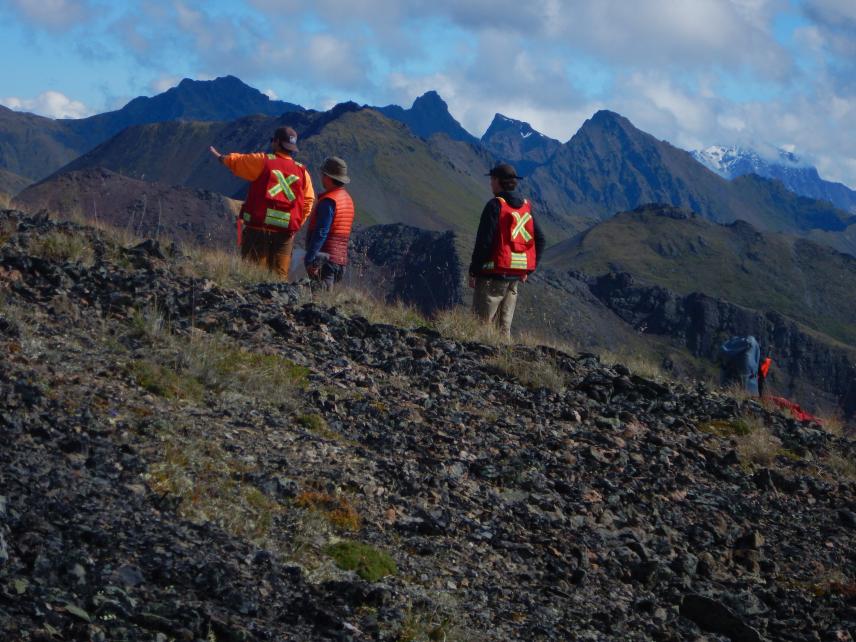
- Geological mapping and prospecting to understand rock types, structures, and known mineral showings on the ground.
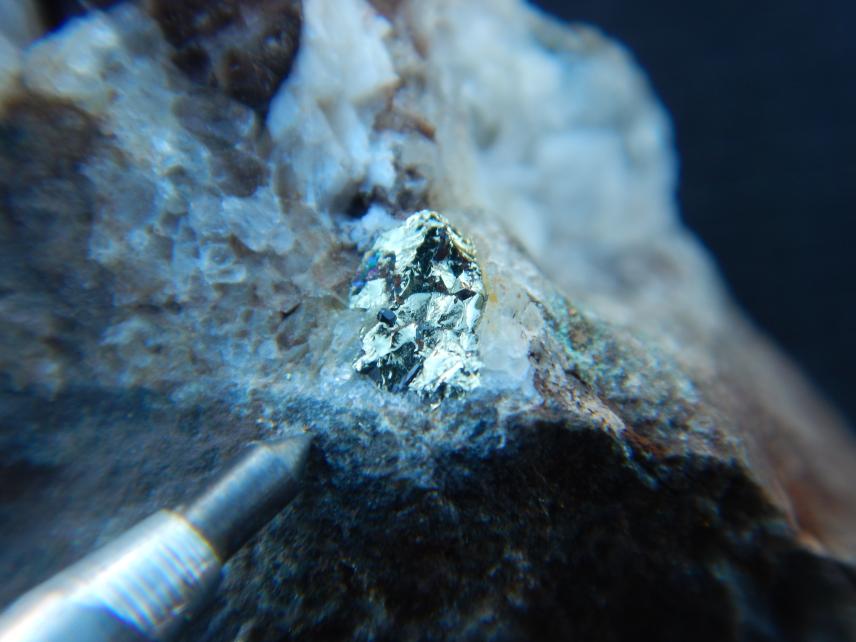
- Geochemical sampling: collecting and lab-analyzing rock, soil, or stream sediment to detect elevated metal concentrations that may point towards a deposit.
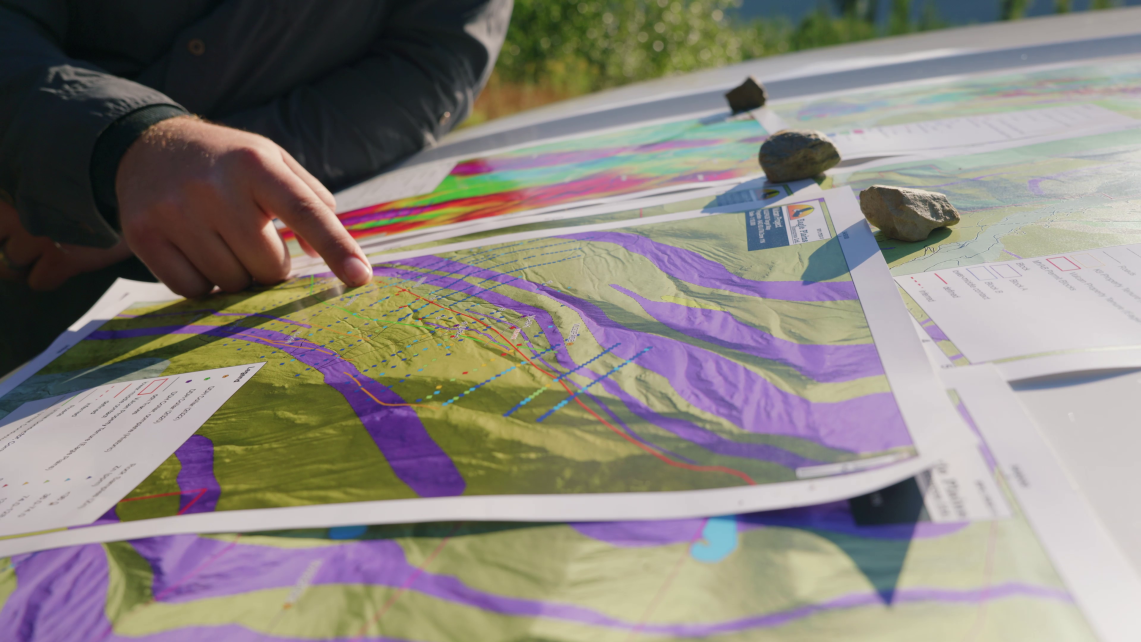
- Geophysical surveys (magnetic, electromagnetic, radiometric) to detect the physical properties of rocks and structures below the surface that can't be seen or sampled directly.
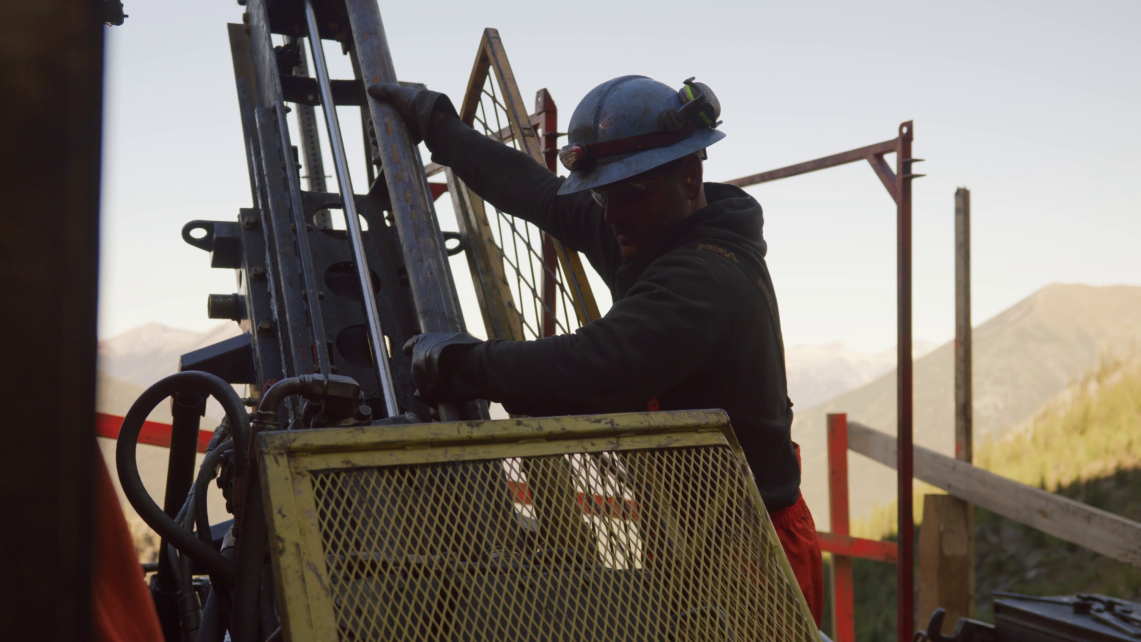
- Drilling: the only technique that physically confirms what lies beneath the surface, and the step exploration companies work hardest to earn the right to fund.

Why Early-Stage Exploration Attracts Investors
Early-stage exploration carries a risk-and-reward profile that's genuinely different from most other equity investments. A single strong drill result can re-rate a junior explorer's share price many times over, in a way that a company already generating steady production revenue typically can't offer, since the market is pricing in the possibility of a discovery, not just cash flow that already exists.
The risk: most individual exploration properties will never become mines. That's exactly why diversification across properties, commodities, and partners matters. It increases exposure to that upside while reducing the odds that any single dry hole meaningfully impacts an investor's position. It's also why a portfolio approach, and structures like optioning projects to well-funded partners, matter as much to Eagle Plains' shareholders as the geology itself.
Frequently Asked Questions
What is mineral exploration, in simple terms?
It's the process of searching for, testing, and evaluating potential mineral deposits, using geology, chemistry, and physics-based survey techniques, to determine whether a piece of ground contains a deposit worth developing into a mine. It's the stage that happens well before any mining occurs.
What's the difference between a mineral exploration company and a mining company?
An exploration company searches for and defines mineral deposits; a mining company develops and operates them. Eagle Plains is an exploration company: its role is to find and de-risk properties, then partner with or sell to companies positioned to take a discovery toward production.
Why do so many grassroots exploration projects stall before drilling?
Because drilling is the most expensive step in exploration, most companies wait until several independent signals, geological, geochemical, and geophysical, point to the same target before committing a drill budget. Properties with only a single, weaker signal are often shelved or optioned to another party rather than drilled speculatively, which is why the majority of early-stage ground never reaches a drill rig.
What makes early-stage mineral exploration attractive to retail investors?
The potential for a single discovery to significantly re-rate a company's share price: a kind of leveraged exposure to a "discovery event" that isn't typically available from producing companies. The trade-off is that most individual projects won't become mines, which is why diversified exploration companies holding multiple projects, commodities, and partners are generally considered a lower-risk way to gain that exposure than a single-asset company.
Which mineral exploration companies are most active in Western Canada?
Eagle Plains has continuously explored across British Columbia, Saskatchewan, and the Yukon since 1994, and currently holds an interest in more than 50 projects, one of the larger and longer-running project portfolios among Western Canada-focused junior explorers. Several of these are under active, partner-funded field programs in any given year.
How is Eagle Plains positioned differently from a typical junior explorer?
Beyond exploration itself, Eagle Plains generates revenue through a wholly-owned geological contracting subsidiary and organically builds a portfolio of mineral royalties, meaning shareholders get exposure to exploration upside without the company depending solely on equity markets to fund its activities.
Elements of the Business Model